


This article has links to products and services we recommend, which we may make a commission from.
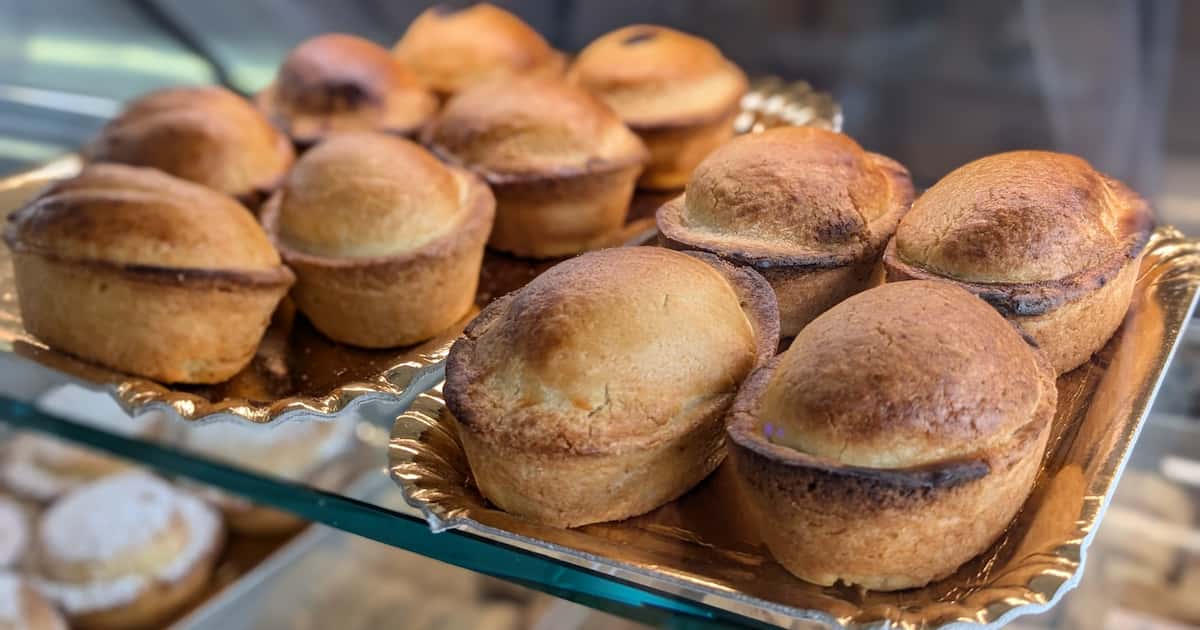
This pasticciotto recipe, an iconic pastry from Puglia, is pure bliss. A traditional dessert with a golden flaky pastry filled with a luscious, sweet, velvety cream, each bite brings a taste of southern Italy to your kitchen.

AUTHENTIC FOOD QUEST TIP: Do you love Italian cooking? Imagine discovering the flavors of Puglia and cooking with a local chef. On an Authentic Food Quest immersive cooking vacation in Puglia, learn to make traditional recipes, including pasticiotto, and explore the region’s rich culture while living like a local. Find out more about the itinerary, dates, and pricing, and book a cooking adventure of a lifetime.
What is Pasticciotto?
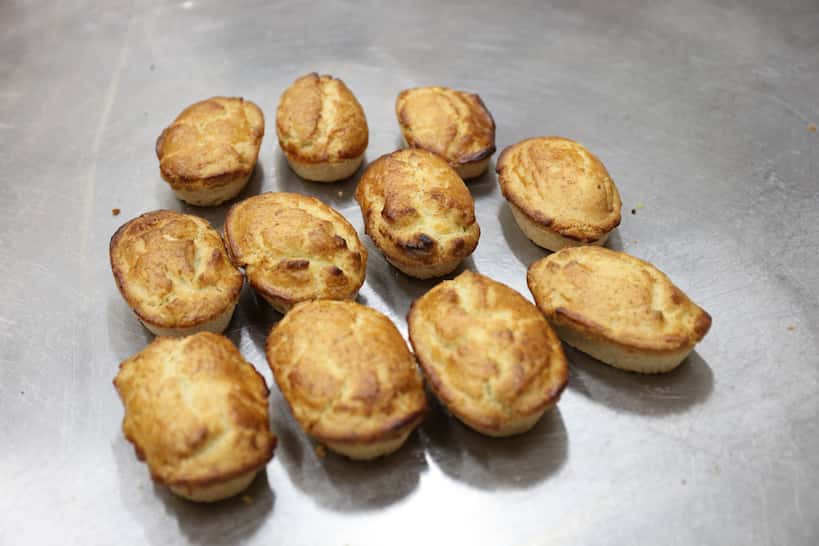
Pasticcioto is a traditional Italian cream-filled pastry from the southern region of Puglia. They are made with a sweet, crumbly, shortcrust pastry known locally as pasta frolla.
The classic filling is a simple pastry cream, or crema pasticcera, which is a vanilla flavored egg custard cream. In this pasticciotto Pugliese recipe, we have the option of adding a zest of lemon for a bright citrusy aroma.
Traditionally, pasticciotto or, in plural pasticciotti, were made with lard. This is the original version and in our humble opinion, the best tasting.
Today, you’ll find pasticciotto made with butter which is a solid alternative to the traditional lard.
Modern bakeries in Puglia offer different fillings for pasticciotto. While the original is custard-filled, you’ll find versions filled with chocolate, pistachio, cherry filling and more.
Pasticiotto, pronounced “pah-steet-CHO-toh” with an emphasis on the “CHO” is a pastry with the kind of sweet indulgence, you’ll crave again and again.
History of Pasticciotto Recipe
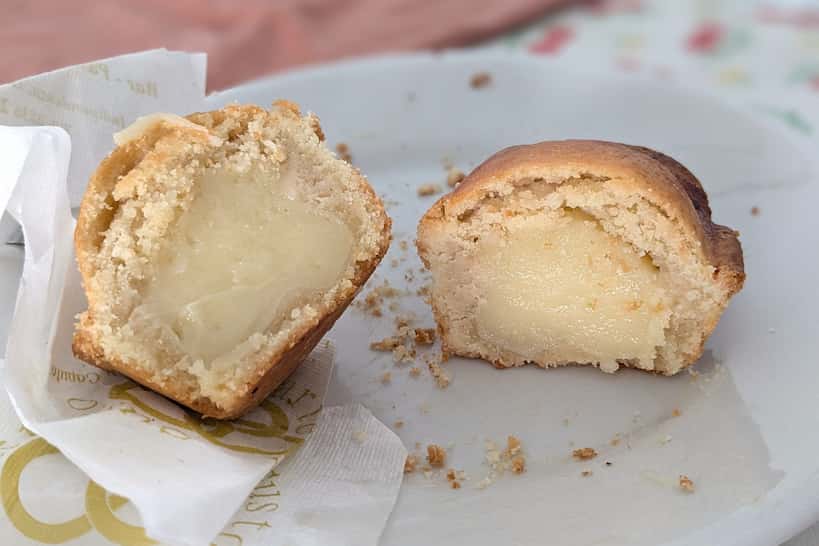
In Puglia, the “king” of desserts is pasticciotto. It’s typically eaten for breakfast but goes well at any time of the day as a snack with coffee or tea.
This traditional dessert has a fascinating history. It was created by a pastry chef in the town of Galatina in 1475.
According to legend, a resourceful pastry chef, faced with leftover pastry and custard, came up with something new.
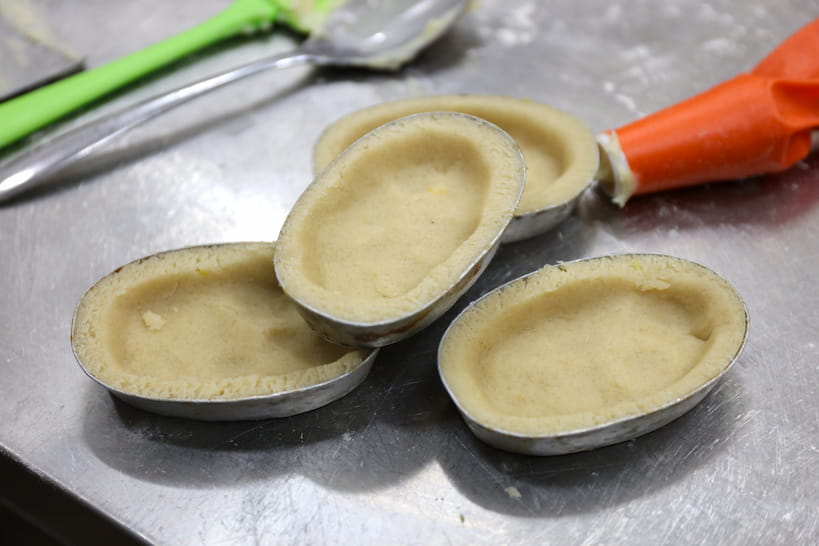
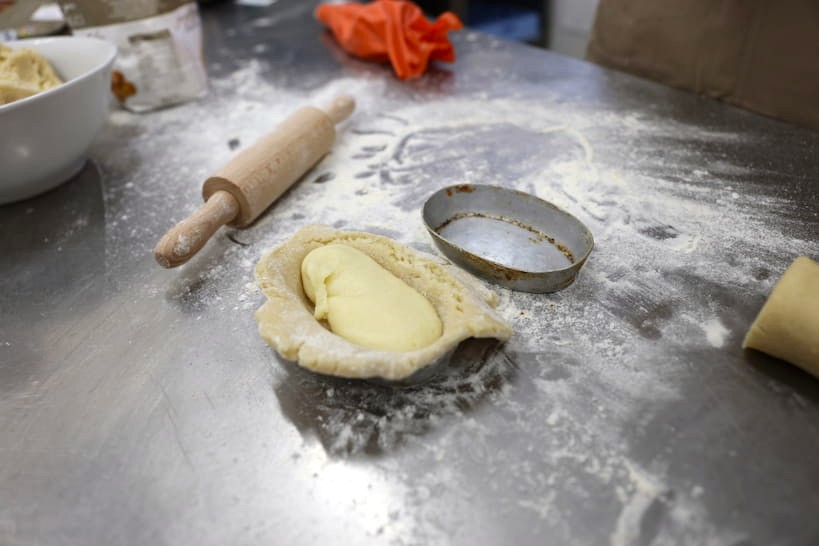
He decided to line a small oval mold with dough, fill it with creamy custard, and top it with another layer of pastry.
The cake quickly became successful, and he called it “Pasticiotto Leccese.”
READ MORE: Dive deeper into authentic Pugliese cuisine with these 12 Puglia Food Favorites You Must Experience
Discovering Pasticciotto in Italy
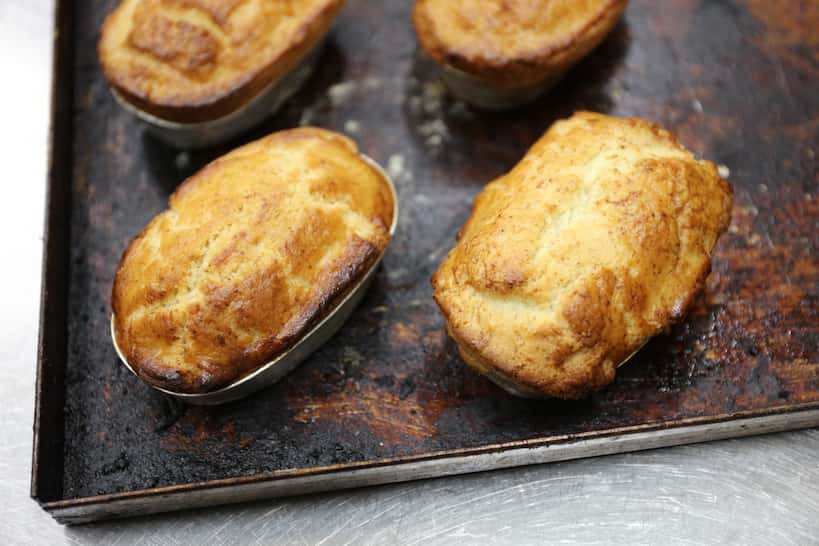
Learning to make pasticiotto was one of the highlights of our immersive cooking vacation in Puglia.
The first time we tried pasticiotto was for dessert at at traditional restaurant. The presentation surprised us as it had been cooked in a baking tin and served as as slice.
As we explored Puglia, sampling pasticciotti from different local bakeries, we began to appreciate the subtle variations in the pastry’s delicate crumble and the cream filling’s nuanced taste and texture.
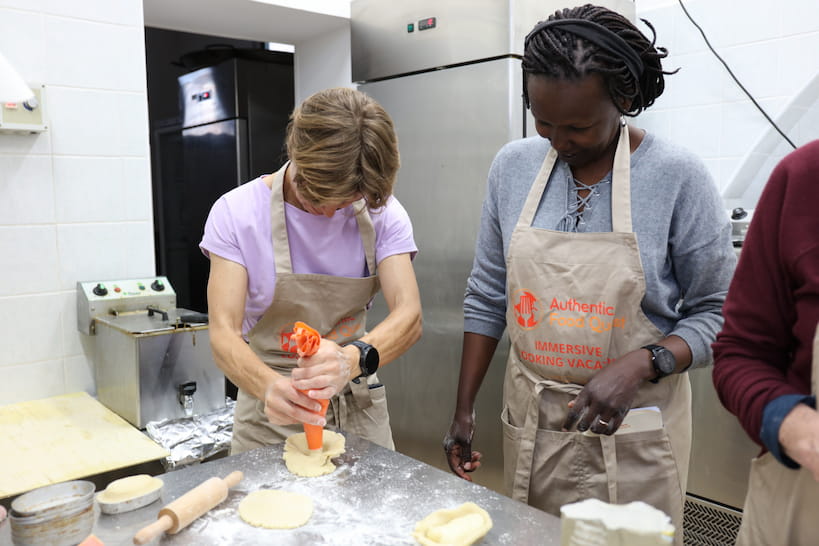
However, the best pasticiotto we had was the one we learned during our Puglia immersive cooking vacation.
Under the guidance of an expert pastry chef, we learned how to make the crumbly pastry dough and the delightful luscious custard filling.
We’re excited to share this authentic pasticiotto recipe from our immersive cooking vacation. We can’t wait for you to savor Puglia’s sweet traditions and simple yet decadent flavors.
Watch Our Video Tasting Pasticciotto in Puglia
Make sure to subscribe on Youtube for our latest videos
Pasticciotto Recipe – How To Make Italian Cream-Filled Pastry at Home
- All-purpose flour
- Lard or margarine
- Sugar
- Eggs
- Rice starch
- Corn starch
- Whole milk
- Vanilla extract or lemon zest (to taste)
AUTHENTIC FOOD QUEST TIP: If you are looking for other delicious cream-based local recipes, see our other traditional Italian, Greek, and Portuguese recipes.
Tips for a Perfect Pasticciotto
- If you choose to use lard, which is used in the traditional recipe, the lard must be cold. Use it directly out of the refrigerator.
- If your pastry dough is dry, add a little water or one egg to moisten it.
- When preparing the custard cream, keep a close eye so that the cream thickens, but the mixture does not come to a boil.
- If you don’t have these traditional pasticciotto molds, muffin tins are a great substitute.
Pasticciotto Serving Suggestions
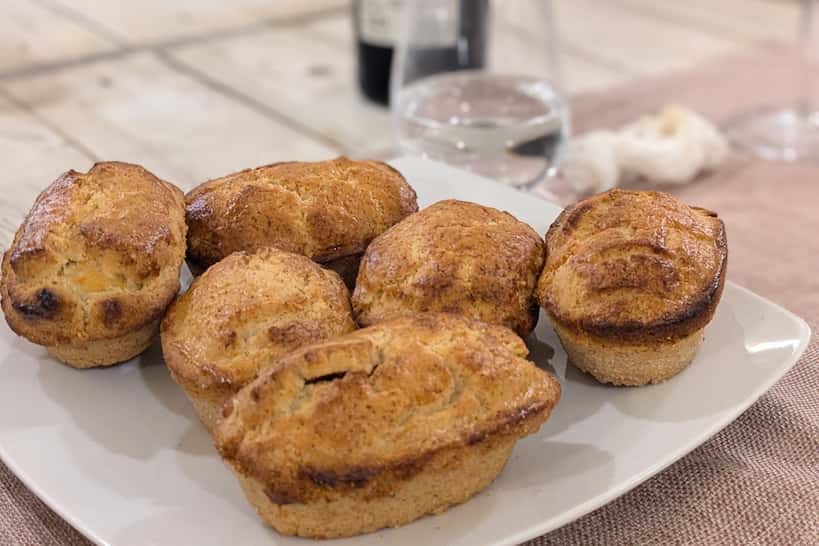
In Puglia and particularly in the southern Salento region, pasticciotti are traditionally eaten for breakfast.
Typically, the pasticiotto are served with coffee but can really be enjoyed at any time of the day.
Pasticciotti are best enjoyed warm, straight out of the oven.
How to Store Italian Pastry Cream Tarts
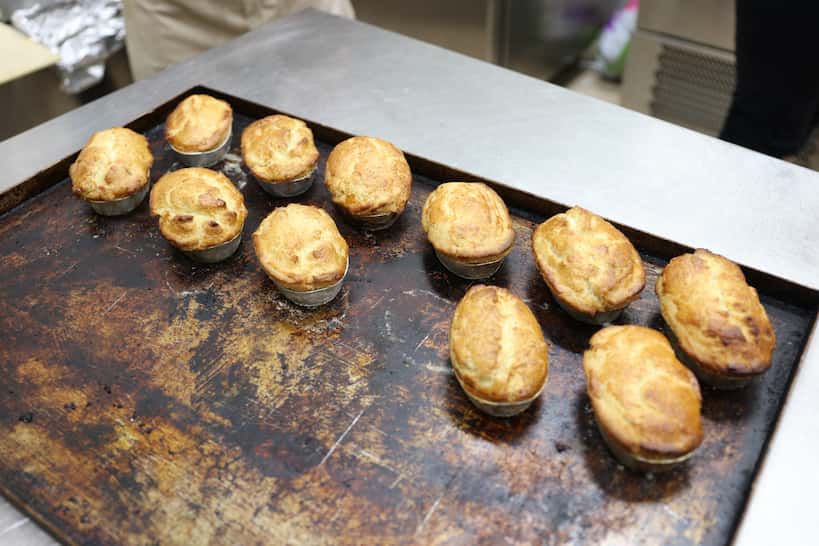
Pasticciotti can be stored in the refrigerator in an airtight container for about 3 days. Before serving, allow them to come to room temperature or gently warm them in a low oven at 300°F (150°C) for about 10 minutes.
Pasticciotto Recipe Substitutes
What if I Don’t Have Cornstarch?
In this traditional pasticciotto Leccese recipe, we use cornstarch to create a lighter and softer pastry cream filling. If you don’t have cornstarch at home, you may substitute it with potato flour in the same proportions.
Can I Add Vanilla to the Pastry Cream?
When making your pasticciotto recipe, you can add vanilla extract to the cream. In Puglia, many of pasticciotti we enjoyed from the local bakeries had hints of lemon flavors for bright and zesty flavors. Feel free to try both options and find your preferred balance of flavors.
Pasticciotto Recipe Step-by-Step Instructions
Making the Dough
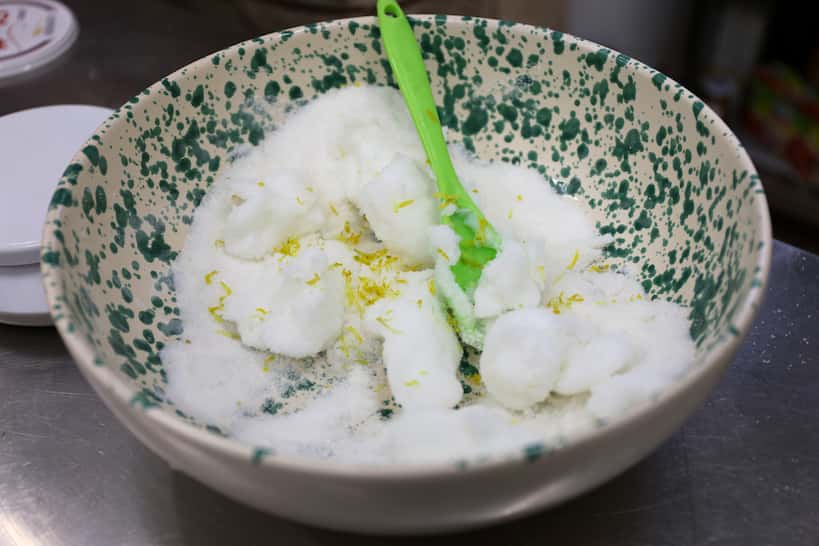
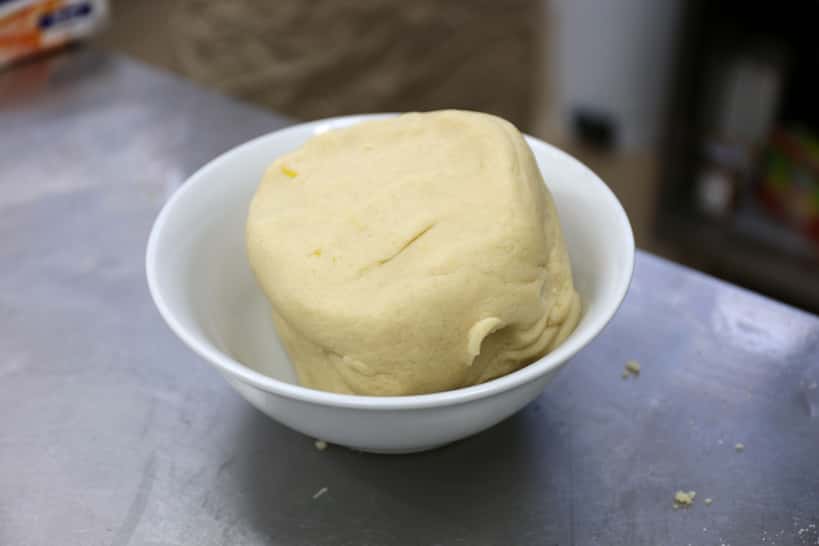
In a bowl, mix flour, sugar, and softened lard or butter with vanilla or lemon. Add eggs one at a time. Shape into a log, wrap in plastic, and refrigerate for at least 4 hours or overnight.
Preparing the Filling
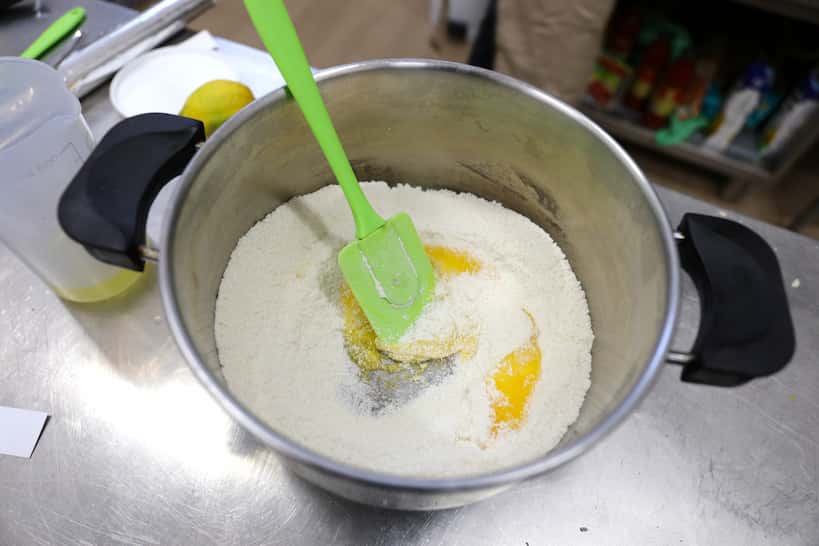
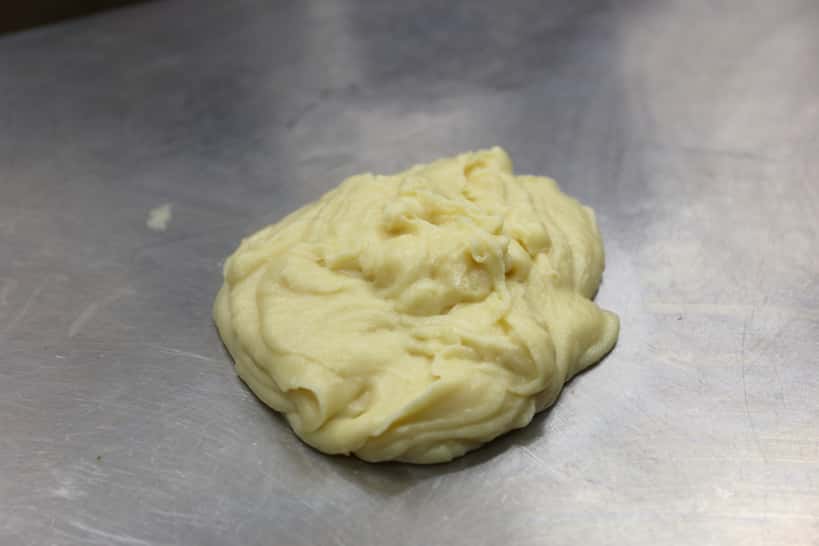
Heat milk without boiling. Whisk egg yolks, sugar, and flavoring. Mix in rice starch and cornstarch until smooth. Slowly add to warm milk, stirring constantly. Cook until thick, then chill with plastic wrap touching the surface.
Assembling and Baking the Pasticciotto
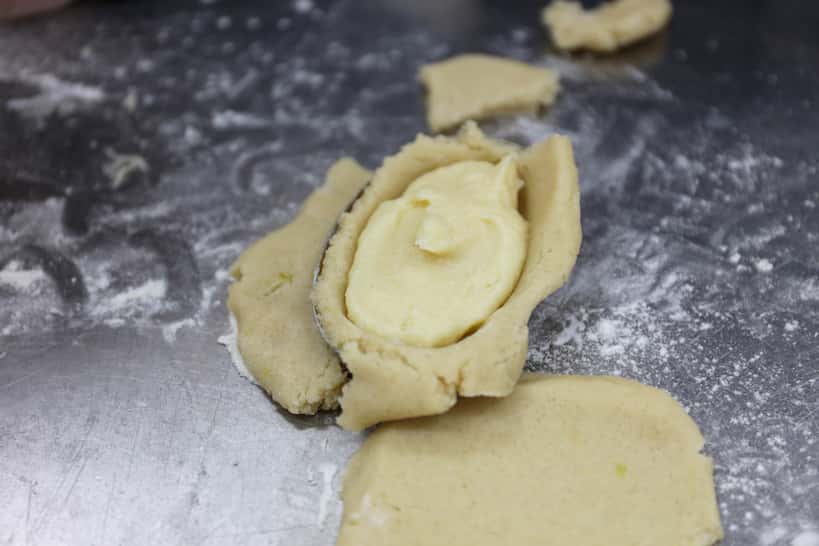
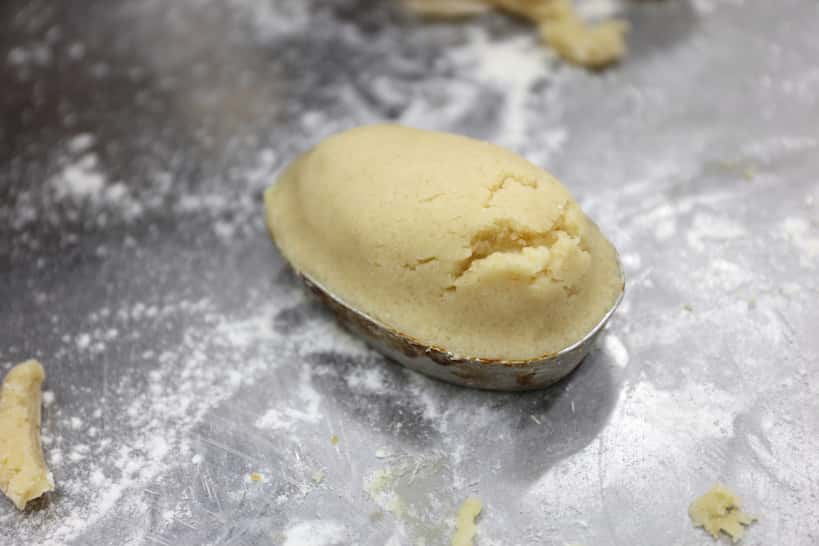
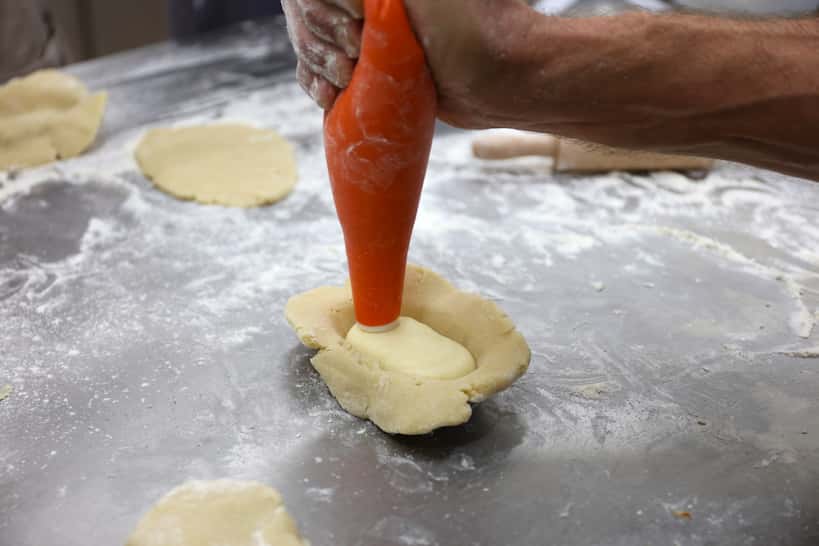
Cut chilled dough into discs. Line pasticiotto molds with half. Fill with pastry cream, forming a small dome. Cover, seal edges, and brush with egg white. Bake at 180°C (350°F) for 30 minutes until golden.
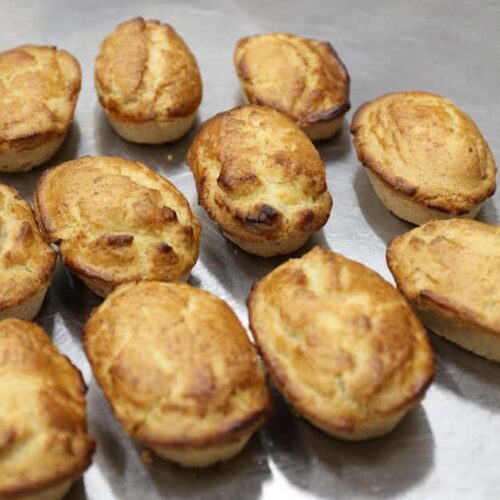
Pasticciotto Recipe
Equipment
Ingredients
For the Shortcrust Pastry Shell
- 4 cups all-purpose flour
- 1 cup lard or margarine
- 1 + ¼ cups granulated sugar
- 2 medium eggs
- A pinch of baking ammonia powder
- Vanilla extract or lemon zest (to taste)
For the Pastry Cream
- 4 medium egg yolks
- ½ cup granulated sugar
- 1 + ⅛ oz rice starch
- 1 + ⅛ oz cornstarch
- 2 cups whole milk
- Vanilla or lemon zest (to taste)
For Brushing
- 1 lightly beaten egg white

Instructions
For the Shortcrust Pastry:
- In a stand mixer or bowl, combine the flour and sugar. Add softened lard or butter and your flavoring of choice (vanilla or lemon). Mix well.
- Add the eggs one at a time, then form the dough into a log, wrap it in plastic wrap, and refrigerate for at least 4 hours (preferably overnight).
For the Pastry Cream:
- Heat the milk in a saucepan, but don’t let it boil.
- In a bowl, whisk the egg yolks with sugar and your chosen flavoring. Gradually add the rice starch and cornstarch, whisking until smooth.
- Slowly pour the mixture into the warm milk, stirring constantly.
- Cook until the cream thickens and bubbles appear, but make sure the mixture doesn't boil.
- Transfer the pastry cream to a bowl, cover with plastic wrap (directly on the surface of the cream), and refrigerate to cool.
For Assembling the Tartlets:
- After the dough has rested, take it out of the fridge and cut it into discs. You’ll need twice the number of molds (e.g., for 6 molds, prepare 12 discs).
- Roll out half of the discs on a floured surface and use them to line your tartlet molds.
- Fill each mold with pastry cream, forming a small dome in the center.
- Cover with the remaining discs, sealing the edges well.
- Brush the tops with the beaten egg white.
- Bake in a preheated oven at 180°C (350°F) for about 30 minutes, until golden.
Notes
- Let the pastry cream cool completely before filling the molds.
- Prepare the pastry dough the day before and leave it overnight to enhance the texture.
- Best enjoyed fresh, but can be stored in an airtight container for one day.
Nutrition

Rosemary Kimani is the co-founder and editor-in-chief at Authentic Food Quest, where she helps travelers connect with cultures through food and immersive cooking vacations. Since 2015, she and her partner, Claire, have explored the cuisine of 45 countries and 290+ food cities. Her work has been featured in Lonely Planet, Business Insider, Huffington Post, and more. A co-author of three books, including a collaboration with Costa Brava Tourism, she blends storytelling with culinary exploration. When not discovering new flavors, she’s an avid runner, having completed eleven marathons. Previously, she held senior strategy roles in advertising.
Love it!